Game meat has a long and storied history, dating back thousands of years. Humans have hunted wild animals for food since prehistoric times, and game meat has remained an important part of our diet ever since. In regions where traditional livestock farming was difficult, game meat was often the only source of protein available. Game meat has also played a significant role in many cultures and religions. For example, in Native American tribes, hunting rituals were an important part of their religious practices. Bison and other game animals provided not just food, but also clothing and shelter.
In Europe, game meat was a delicacy that was reserved for the wealthy. It was often served at feasts and banquets, and was considered a symbol of wealth and status. In fact, in some countries, hunting game was a privilege reserved only for the nobility. During the Middle Ages, game meat was a common food source for peasants as well. They would hunt wild animals for food, often illegally, as hunting was strictly controlled by the ruling classes. In some cases, poaching game meat could result in severe punishment or even death. In modern times, game meat has become more widely available, and is often considered a healthier alternative to traditional livestock. It is leaner and lower in fat than beef or pork, and is often free from the hormones and antibiotics that are used in conventional livestock farming.
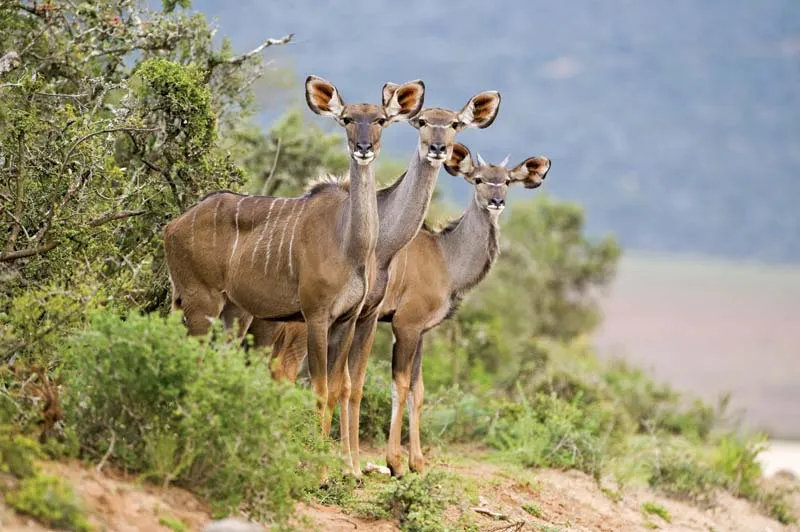
Despite its long and storied history, game meat is still somewhat of a niche food. However, for those who appreciate its unique flavor and nutritional benefits, it is a delicious and healthy choice. Whether you prefer impala, nyala, kudu, warthog, or something else entirely, game meat is a culinary adventure that is well worth exploring.
No products in the cart.
Explore Food Items